









Sala Introductoria de la Zona Arqueológica en Tehuacalco
The introductory gallery gives an overview of 15 centuries of history before entering the central area of the archeological site. The ancient inhabitants had a fascination for water and the sun, and their monuments reflect this.
Tehuacalco was the name given by Nahua groups who arrived after the conquest to take the place of the local peoples who had disappeared. The name has several potential meanings: “place of the stone boxes,” referring to the great pyramids or to the ritual mortars present on several of the surrounding blocks, “place of the priests’ houses,” referring specifically to the presence of temples or “place of the sacred water,” a meaning inferred from the site, which was a great water sanctuary. The site’s environment is rich and varied with a great abundance of water.
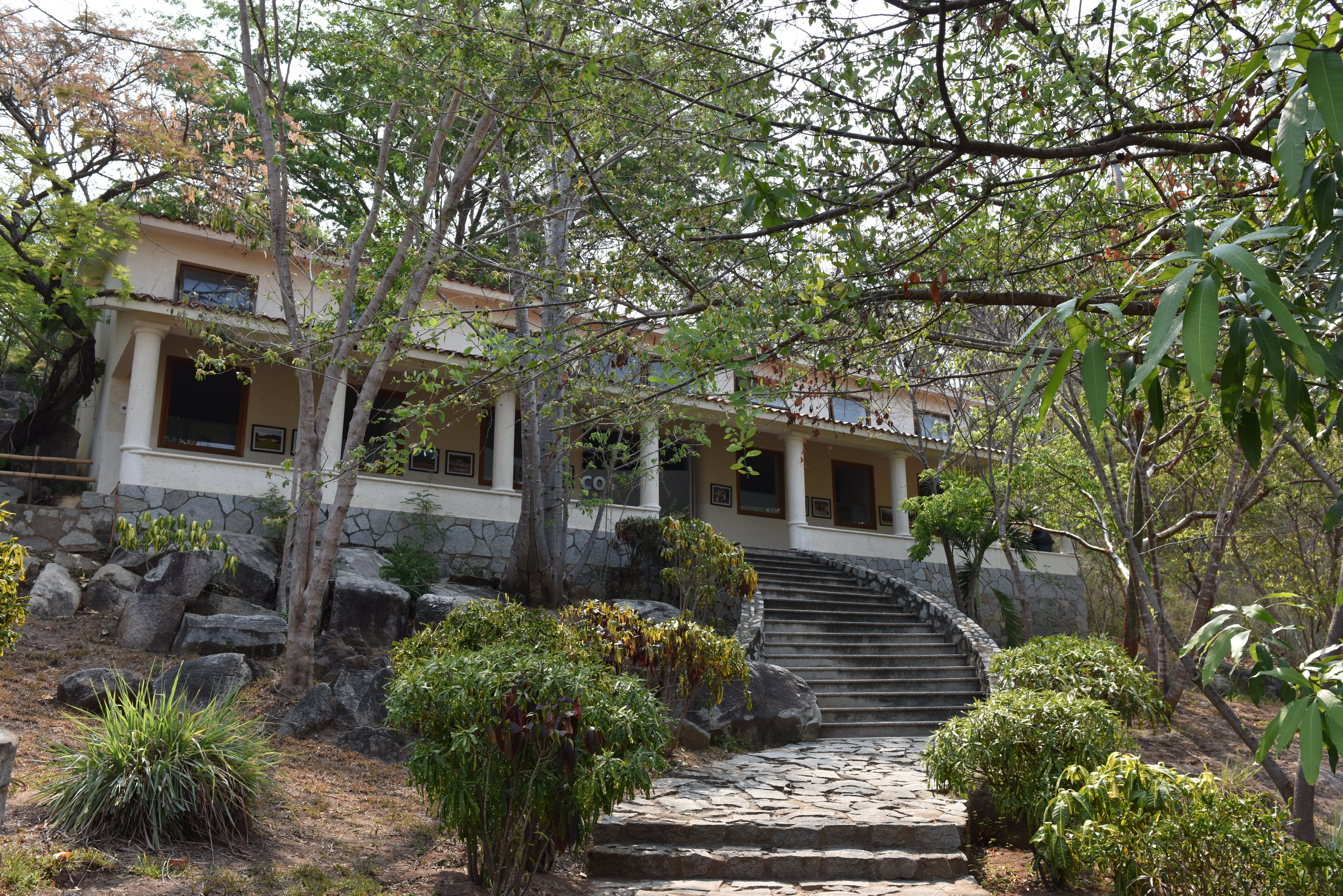
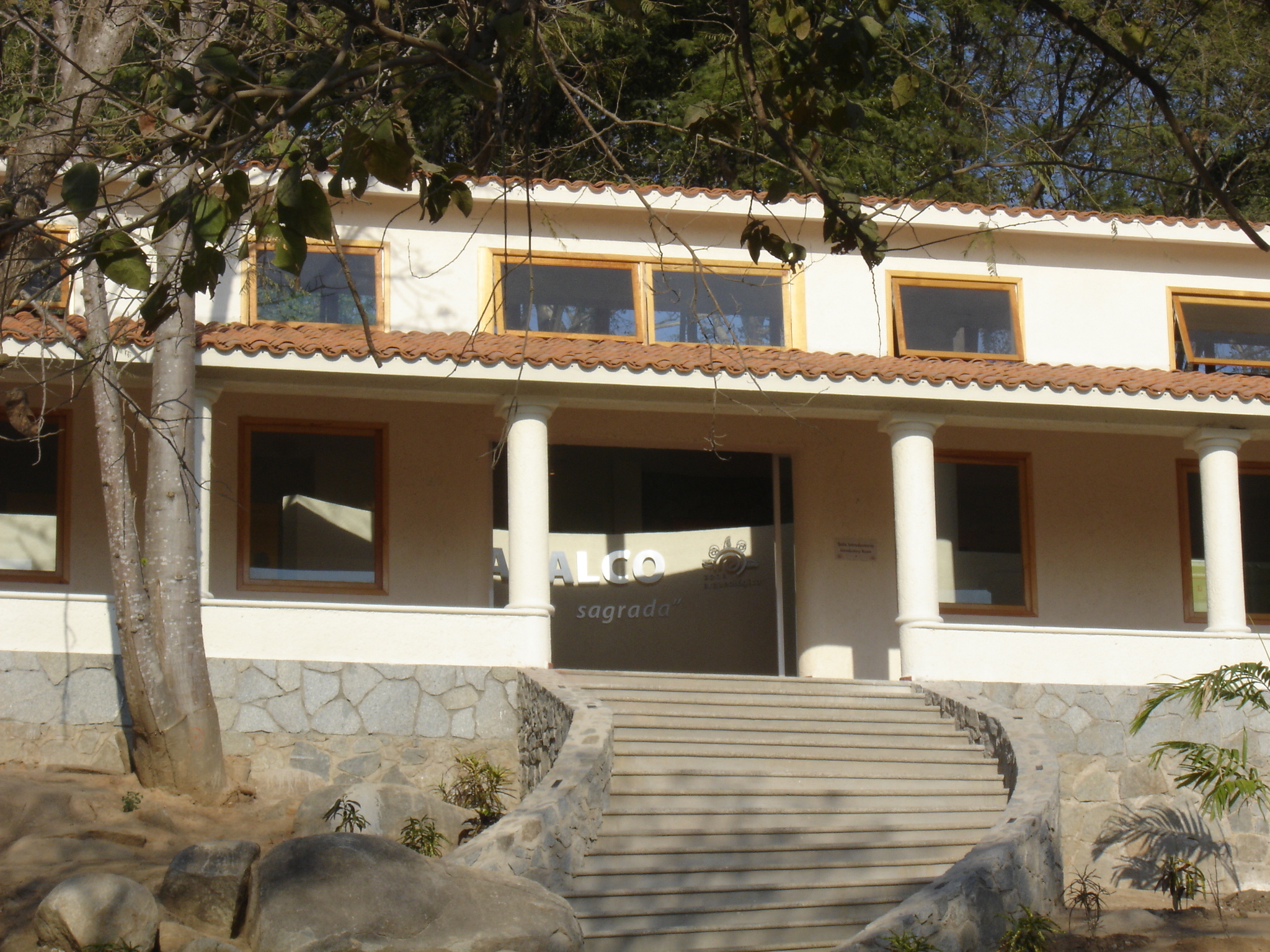
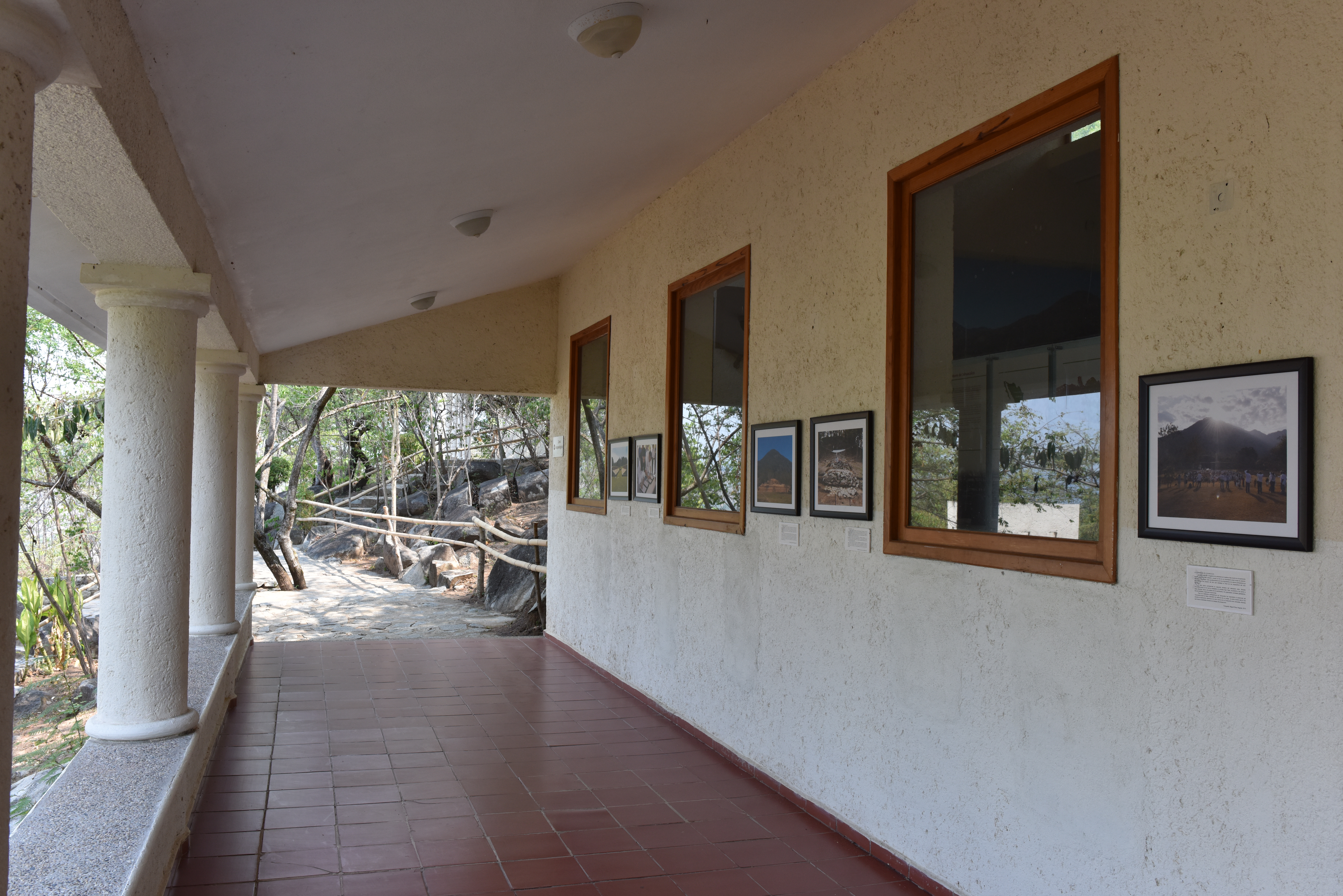
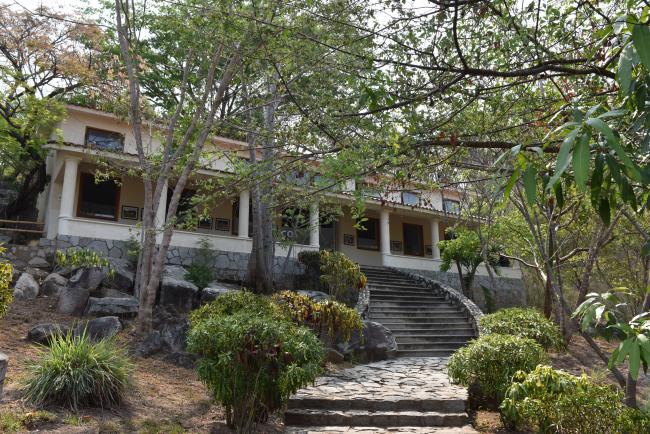
The introductory gallery and the archeological site of Tehuacalco were opened to the public on December 16, 2008. Tehuacalco was known as Yopitzingo in historical sources. The importance of the site lies in the fact that it was one of the few states which managed to remain independent from Tenochtitlan. The gallery and two small buildings for administration and services clearly reflect the ancient architectural style: stonework, porticoed passages, longitudinal benches, columns, tiled roofs and wooden frames. Special care was taken not to disturb the slope of the land or to stand out from the appearance of the ancient structures.
The story told by the gallery was developed to put the archeological site in context. Tehuacalco was a pre-Hispanic settlement covering nearly 200 acres located in the Sierra Madre del Sur at the far end of a long corridor linking the Central Highlands to the coast of the Pacific Ocean. It consisted of a ceremonial civil center dedicated to the worship of water and the hills, with a surrounding population, as well as temples, caves and rock carvings surrounding the central part of the settlement. The display describes the sacred spaces, the pre-Hispanic groups which inhabited this place, its architecture, the rock carvings, the importance of the horizon and of astronomical observation.
Introduction and Geographic Setting
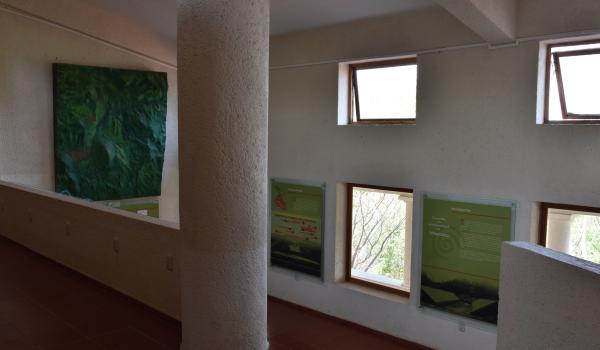
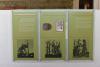
To the right of the lobby is the Introduction and Geographic Setting section, which offers an overview of the Tehuacalco archaeological site. Here, visitors will find a timeline, a scale model showing the site's location, and information about the agricultural cultures that once inhabited the area.
Introduction and Geographic Setting

Yopitzingo
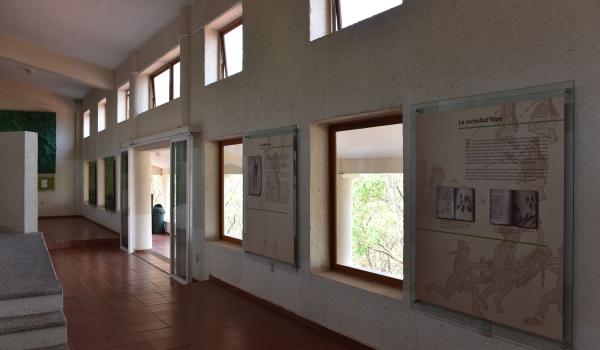
To the left of the lobby is the Yopitzingo section, which explores the territory of the Yope people—where Tehuacalco was located at the end of the pre-Hispanic period. This space also features a documentary film that explains the archaeology of the state of Guerrero and the Tehuacalco site in…
Yopitzingo
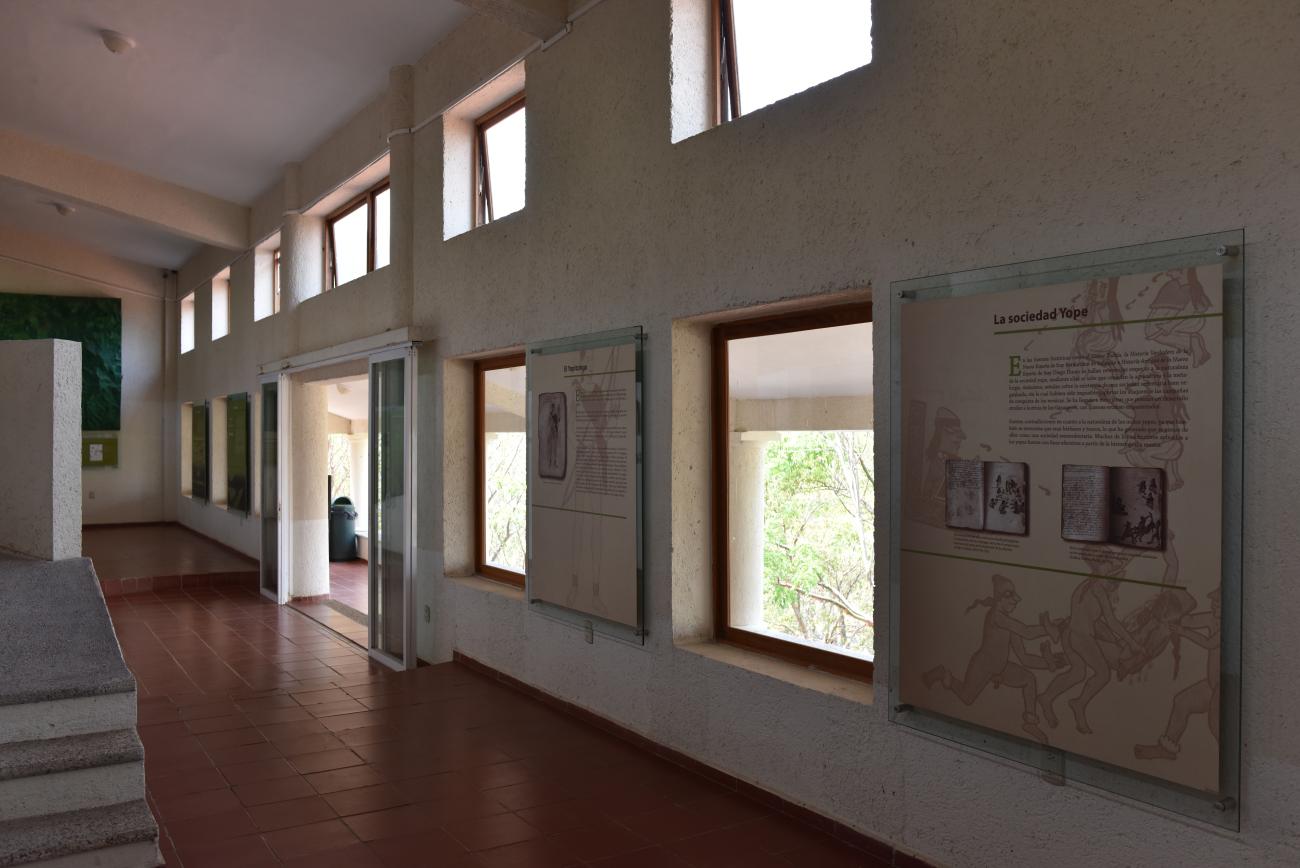
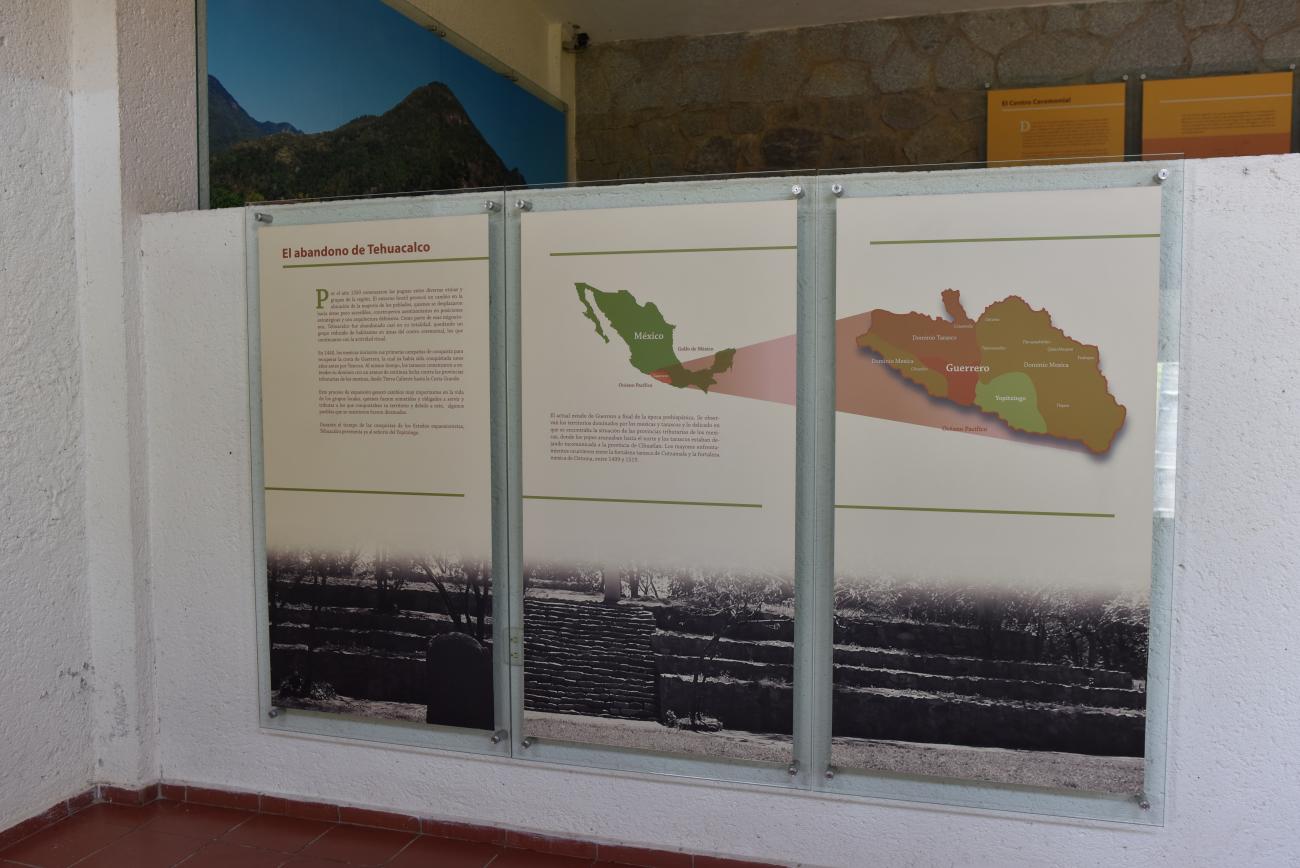
To the left of the lobby is the Yopitzingo section, which explores the territory of the Yope people—where Tehuacalco was located at the end of the pre-Hispanic period. This space also features a documentary film that explains the archaeology of the state of Guerrero and the Tehuacalco site in particular.
Hypertext Cube and Cave Offerings
On the upper level, which is accessed by ramps, visitors will find, to the right of the entrance, a display of archaeological discoveries from caves and petroglyphs. To enrich the exhibit, a reproduction of ceramic vessels found inside one of the caves has been installed in a hypertext cube beneath…
Hypertext Cube and Cave Offerings
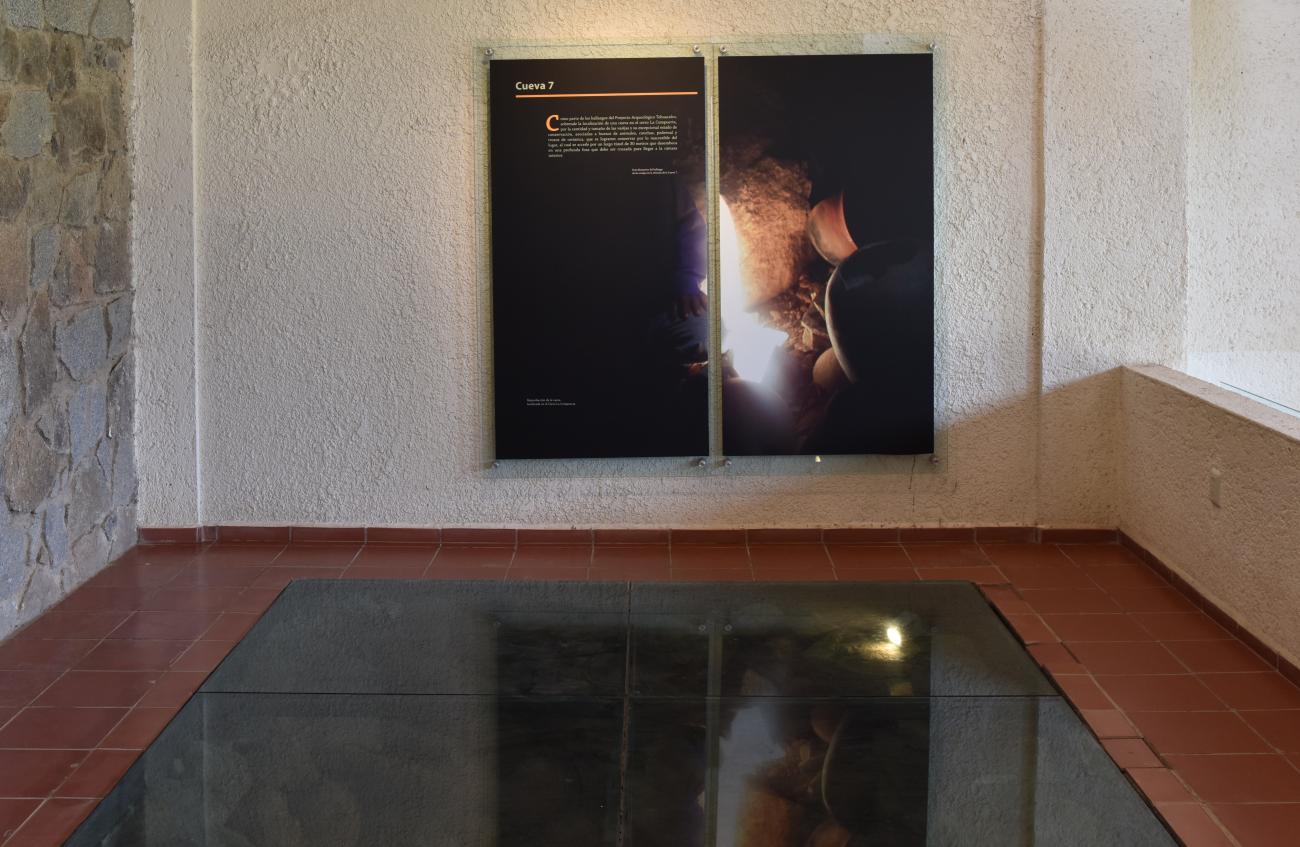
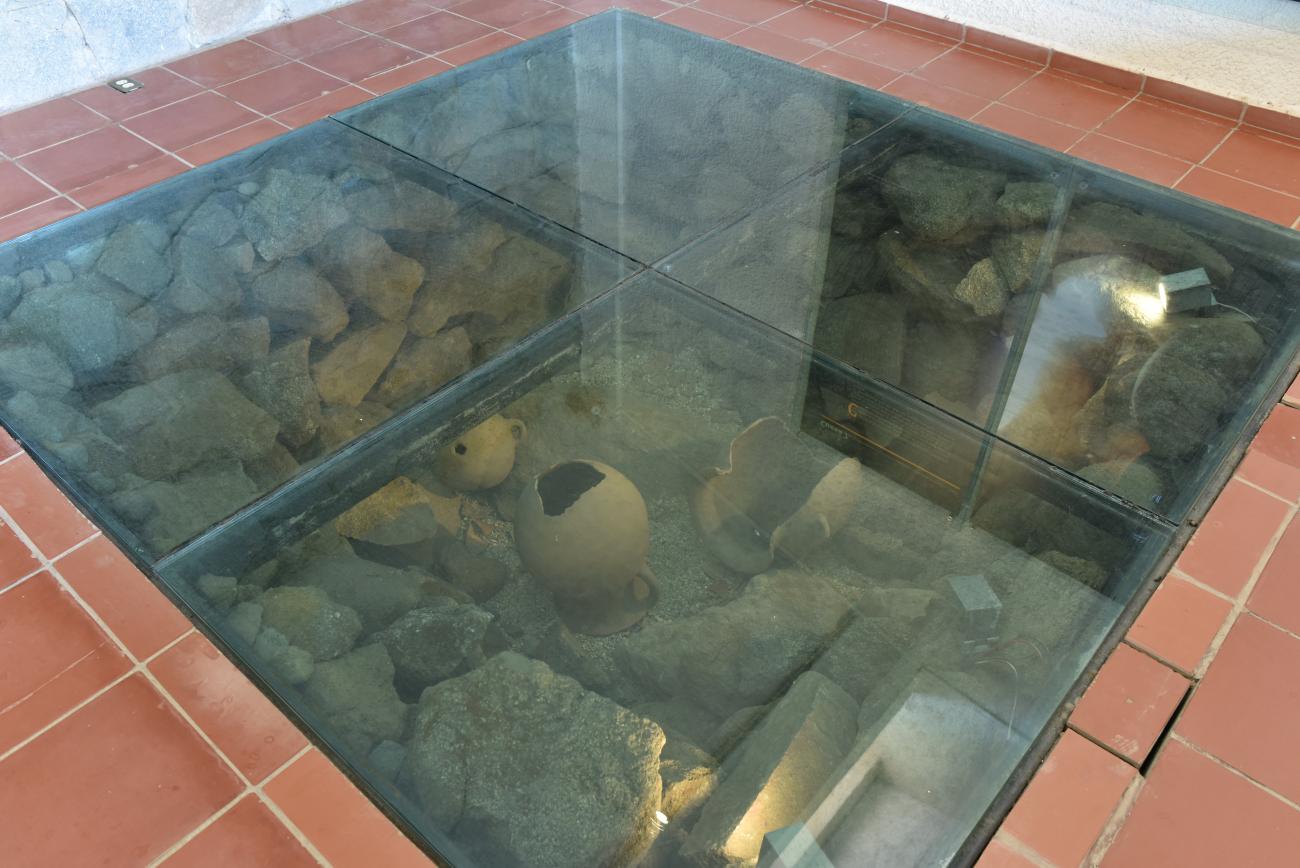
On the upper level, which is accessed by ramps, visitors will find, to the right of the entrance, a display of archaeological discoveries from caves and petroglyphs. To enrich the exhibit, a reproduction of ceramic vessels found inside one of the caves has been installed in a hypertext cube beneath the floor. The display is protected by 9 cm-thick laminated glass, allowing visitors to walk over it and observe the pieces below.
Exhibited Pieces
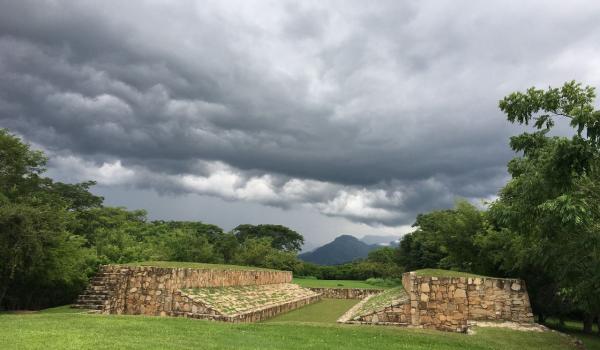
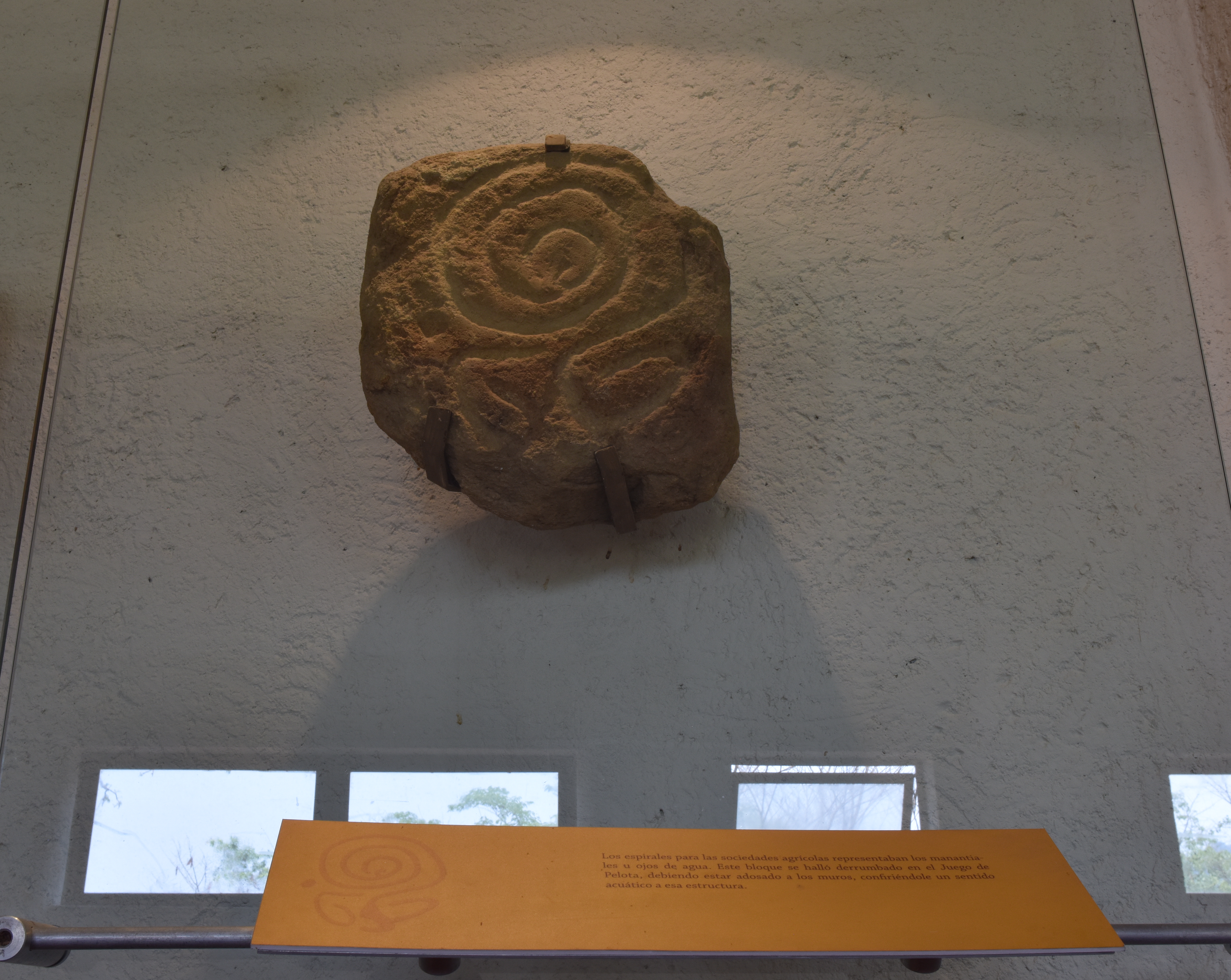
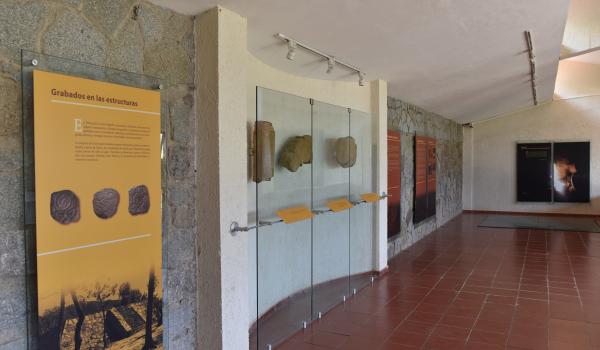
At the center of the upper level, three petroglyphs recovered from the collapsed Ballcourt and Main Temple at Tehuacalco are arranged in a semicircle. Due to security concerns, these are the only original archaeological artifacts on display. In another section of this floor, visitors can learn…
Exhibited Pieces
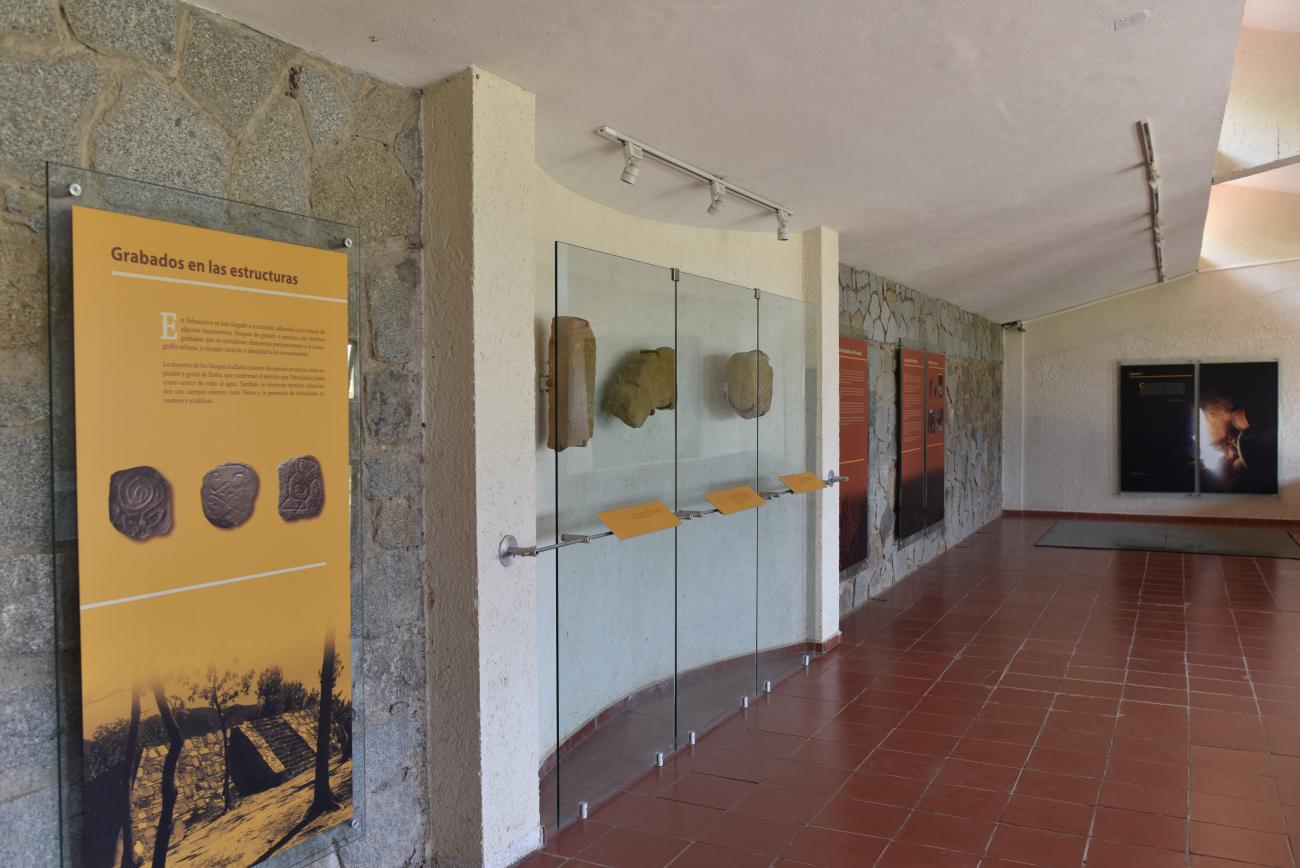
At the center of the upper level, three petroglyphs recovered from the collapsed Ballcourt and Main Temple at Tehuacalco are arranged in a semicircle. Due to security concerns, these are the only original archaeological artifacts on display. In another section of this floor, visitors can learn about the site’s architecture and view a scale model backed by an image of Cerro de la Compuerta, illustrating how the orientation of the pre-Hispanic monuments was harmonized with the surrounding landscape.
- Dirección del Centro INAHHéctor Romeo Torres Calderónhector_torres@inah.gob.mx+52 (747) 471 7121